
Top 5 Mistakes People Make While Giving Stitching Measurements

Home About Us Stitching Services Women’s Tailoring Bridal Wear Concept Stitching Kid’s Tailoring Courses Blogs Contact Us X Top 5 Mistakes People Make While Giving Stitching Measurements Getting stitching measurements right is crucial for ensuring that clothes fit well and feel comfortable. Whether you’re making something yourself or getting it tailored, taking accurate measurements is key to a perfect fit. However, many people make common mistakes during this process, leading to poor results and frustration. In this blog, we’ll explore the top five mistakes people make when giving stitching measurements and how to avoid them. Table of Contents: Mistake 1: Using the Wrong Measuring Tools Mistake 2: Taking Measurements in the Incorrect Position Mistake 3: Not Account for Necessary Adjustments Mistake 4: Overlooking Tolerances Mistake 5: Forgetting to Double-Check Measurements Conclusion FAQ Mistake 1: Using the Wrong Measuring Tools Using the wrong tools is one of the most common mistakes when giving stitching measurements. It’s easy to think that any tool can do the job, but certain tools are specifically designed for accuracy. For example, a flexible measuring tape is essential for taking accurate body measurements because it can easily curve along the body’s shape. A rigid ruler or standard tape measure won’t provide the same level of accuracy, especially when measuring around curves like the chest or waist. Always use a soft, flexible measuring tape for these types of measurements. Mistake 2: Taking Measurements in the Incorrect Position Another frequent mistake is taking measurements while in the wrong position. Your posture plays a vital role in getting the correct measurements. If you are standing with your shoulders hunched, or if you’re sitting, the measurements will likely be off. For the most accurate results, ensure that the person being measured is standing straight with their shoulders relaxed. This applies particularly to measurements for things like pants, skirts, and dresses, where posture directly influences how the fabric will sit on the body. Mistake 3: Not Account for Necessary Adjustments While some measurements may seem straightforward, it’s important to account for necessary adjustments to ensure comfort and proper fit. For example, when measuring the bust or waist, you should consider how snugly you want the fabric to fit. Depending on the garment type, you may need to add extra room for ease or movement. Failure to do so could result in a tight or uncomfortable fit. Always factor in allowances such as ease for movement, especially for tailored pieces or casual wear. Mistake 4: Overlooking Tolerances Tolerances are the slight variations in measurements that allow for comfort and flexibility. Overlooking tolerances can lead to garments that are either too tight or too loose. Tolerances become especially important in things like fitted jackets, trousers, or dresses, where small discrepancies can make a big difference in the fit. It’s essential to understand and factor in these small allowances to ensure that the garment fits comfortably without being too restrictive or baggy. Mistake 5: Forgetting to Double-Check Measurements A simple but critical mistake is not double-checking measurements. Sometimes, in the rush to get things done, people take a single measurement and assume it’s correct. However, measuring twice can help catch errors that might have slipped through the first time. For example, if you’re measuring the inseam or sleeve length, a slight miscalculation can lead to a garment that’s too long or too short. Always verify your measurements before moving forward with any stitching. Conclusion Accurate stitching measurements are the foundation of a well-fitted garment. By avoiding these common mistakes—using the wrong tools, measuring in the wrong position, overlooking adjustments, ignoring tolerances, and failing to double-check—you can ensure that your clothes fit perfectly every time. Remember, taking your time and being precise pays off in the end. Whether you’re stitching at home or getting something tailored, precise measurements make all the difference. Frequently Asked Questions What are the most important tools for taking accurate stitching measurements? A flexible measuring tape is essential for accuracy. It conforms to the body’s shape and allows for easy measurement of curves. How can I make sure I’m taking measurements in the right position? Stand straight with your shoulders relaxed. Make sure the person you’re measuring stands naturally, without slouching or leaning. What adjustments should I account for when giving stitching measurements? Depending on the fit and comfort, you may need to account for ease, allowances, and body shape (like chest, waist, and hip measurements). Why do tolerances matter in stitching measurements? Tolerances ensure that the garment fits comfortably without being too tight or too loose. They allow for slight variations that come from fabric stretch or shrinkage. How can I double-check my measurements to avoid mistakes? Always measure twice—once for accuracy and once for confirmation. This helps catch any small errors before they impact your garment. With a decade of expertise in the industry, we specialize in providing customized designs tailored to our customers’ preferences. Our online booking platform allows clients to schedule a stitching appointment effortlessly. Quick Links Home About Us Courses Blogs Contact Us Services Women’s Tailoring Bridal Wear Concept Stitching Kid’s Tailoring Contact Us +91 90369 49222 info@aadiquipostyle.in No.334, BDA Link Road, Dwaraka Nagar, Channasandra, Rajarajeshwari Nagar, Bengaluru 560098 Follow Us Facebook Instagram Pinterest ©2025. All Rights Reserved
2025 Color Trends in Boutique Fashion and Tailoring

Home About Us Stitching Services Women’s Tailoring Bridal Wear Concept Stitching Kid’s Tailoring Courses Blogs Contact Us X 2025 Color Trends in Boutique Fashion and Tailoring As we step into 2025, color trends in fashion are evolving, influenced by global events, technological advancements, and cultural shifts. In the world of boutique fashion and tailoring, color plays a crucial role in shaping the style and identity of garments. From bold and vibrant hues to calming neutrals, color is set to make a statement in tailored clothing this year. In this blog, we’ll explore the top 2025 color trends that every fashion-conscious individual should be aware of. Table of Contents: 1. Bold and Vibrant Colors 2. Earthy Tones and Nature-Inspired Shades 3. Pastels and Soft Neutrals 4. Metallic Hues and Futuristic Finishes 5 .Metallic Hues and Futuristic Finishes 6. Gender-Neutral Color Trends 7. How Color Affects Your Tailored Garments 8. Conclusion 9. FAQ Bold and Vibrant Colors Bold colors are making a major comeback in 2025. From fiery reds to electric blues, bright and eye-catching hues will be the star of boutique fashion and tailored garments. This trend emphasizes confidence and individuality, with vibrant colors used to make a bold statement. Colors to Watch Out For Vibrant Red: A symbol of energy and passion, vibrant red will dominate both casual and formal wear. Electric Blue: Bright blues will add a sense of freshness and modernity to tailored suits and dresses. Earthy Tones and Nature-Inspired Shades As sustainability continues to influence the fashion industry, earthy tones and nature-inspired shades will take center stage. These colors reflect the growing interest in environmental consciousness and a return to nature. Think rich browns, deep greens, and soft tans. Key Earthy Tones Olive Green: A versatile, muted green that evokes a sense of calm and connection with nature. Warm Browns and Terracotta: These shades bring warmth to tailored garments, offering a sophisticated yet grounded look. Pastels and Soft Neutrals Pastel shades and soft neutrals will continue to be a favorite in 2025, particularly for spring and summer collections. These gentle hues offer a timeless, elegant look and are perfect for creating a relaxed yet refined style. Popular Pastels and Neutrals Lavender: A soft, soothing color that adds a touch of serenity to both casual and formal tailored garments. Light Beige and Taupe: Neutral tones that complement a variety of other colors, creating a versatile wardrobe foundation. Metallic Hues and Futuristic Finishes For those who want to make a bold statement, metallic hues will dominate the fashion scene in 2025. These colors add a futuristic flair to tailored clothing, creating garments that shimmer and shine. Key Metallic Colors Silver and Platinum: These cool metallic tones will be popular in tailored suits and dresses, offering a sleek, high-fashion aesthetic. Gold Accents: Subtle gold accents in the lining or buttons of tailored clothing can add sophistication without overwhelming the overall design. Monochromatic Looks in Tailoring Monochrome dressing will continue to be a top trend in 2025, particularly in tailoring. This trend involves creating a cohesive look using variations of a single color, which enhances the visual appeal and creates a streamlined silhouette. How to Style Monochrome Different Shades of One Color: Experiment with different shades and textures of a single color for a sophisticated, balanced look. Monochromatic Suits: For a bold statement, opt for a full suit in one color, whether it’s a deep navy, charcoal, or even a vibrant shade like red or green. Gender-Neutral Color Trends 2025 will see an increased emphasis on gender-neutral colors in fashion. Tailoring for all genders will embrace colors that are inclusive and versatile, breaking away from traditional color associations. Top Gender-Neutral Colors Soft Gray and Charcoal: These neutral tones work well for any wardrobe, creating tailored pieces that are both stylish and accessible. Muted Blues and Greens: These colors offer a calm and versatile alternative, making them ideal for gender-neutral tailoring. How Color Affects Your Tailored Garments Color is not just about aesthetics; it has a significant impact on how a garment fits and feels. Different colors can influence how the fabric drapes, and even affect the perception of body shape. Understanding color’s effect on tailoring is key to creating a stylish and flattering look. The Psychology of Color in Fashion Dark Colors for Slimming: Dark shades like black, navy, and charcoal are often slimming and elongating, making them ideal for tailored suits. Light Colors for Softness: Lighter shades, such as pastels, can add softness and create a sense of ease, perfect for relaxed tailoring. Conclusion The color trends for boutique fashion and tailoring in 2025 are diverse and exciting. From bold and vibrant hues to sustainable earthy tones, the options are endless. Whether you’re opting for a futuristic metallic look or embracing the calm of soft neutrals, 2025 promises a year full of colorful possibilities in fashion. Frequently Asked Questions What are the most popular color trends for 2025? Bold reds, electric blues, earthy tones, pastels, metallics, and gender-neutral shades will dominate 2025. How can I incorporate these color trends into my tailored clothing? Experiment with different color combinations in your suits, dresses, or accessories. Consider opting for a monochromatic look or using vibrant accent colors to make a statement. Are metallic colors still in fashion for 2025? Yes! Metallics like silver, gold, and platinum are making a strong comeback and will be seen in tailored garments for both day and evening wear. How do gender-neutral colors affect tailored fashion? Gender-neutral colors are becoming more prominent in tailored fashion, offering inclusive options that work for everyone. These colors, like soft gray or muted blues, are versatile and timeless. How do I choose the right color for my body type? Dark colors are slimming, while light colors add softness. Experiment with colors that complement your personal style and body shape, and don’t be afraid to try something new! With a decade of expertise in the industry, we specialize in providing customized designs tailored to our customers’ preferences. Our online booking
Top 10 Tailoring Trends in 2025 Every Fashion Lover Should Know

Home About Us Stitching Services Women’s Tailoring Bridal Wear Concept Stitching Kid’s Tailoring Courses Blogs Contact Us X Top 10 Tailoring Trends in 2025 Every Fashion Lover Should Know Tailoring is evolving, and with 2025 just around the corner, fashion lovers and enthusiasts should be aware of the exciting new trends in custom-made and tailored clothing. From eco-friendly fabrics to smart tailoring technologies, the world of fashion is witnessing rapid transformations. In this blog, we explore the top 10 tailoring trends in 2025 that every fashion-conscious individual should be aware of. Table of Contents: 1. Sustainable Tailoring: The Future of Fashion 2. Tech-Driven Tailoring 3. Bold, Oversized Fits 4. Personalized Fabric Choices 5. Gender-Neutral Tailoring 6.Smart Fabrics and Functional Design 7. Minimalist Elegance 8. Vintage Revival in Tailoring 9. Customizable Details for Unique Looks 10. Ethical Tailoring Practices 11. Influence of Streetwear on Tailoring 12. Conclusion 13. FAQ Sustainable Tailoring: The Future of Fashion Sustainability is no longer just a buzzword; it’s a necessity in fashion. Tailoring trends in 2025 will focus heavily on sustainable fabrics and ethical production methods. Designers and tailors are increasingly opting for eco-friendly materials like organic cotton, bamboo, and recycled polyester. Why Sustainable Tailoring Matters Eco-conscious Fabrics: Materials like hemp, organic wool, and eco-friendly dyes are gaining popularity for their minimal environmental impact. Ethical Production: More tailors are prioritizing ethical production practices, ensuring workers are paid fairly and working in safe conditions. Tech-Driven Tailoring Technology continues to revolutionize the fashion industry, and tailoring is no exception. In 2025, more tailors will embrace cutting-edge technologies like 3D printing and AI-based design software to create perfectly fitted garments. 3D Printing and Customization Precision: 3D printing allows for precise, customized fittings that were once impossible with traditional tailoring methods. Faster Production: Tech-driven tailoring allows for faster turnaround times without compromising quality. Gentle Drying Avoid wringing out your tailored clothes, as this can distort the shape. Air-dry your garments or use the lowest heat setting if using a dryer. Bold, Oversized Fits Oversized, boxy silhouettes are a major trend in 2025. Tailored garments will be designed to give more room and freedom of movement, embracing relaxed fits for both casual and formal wear. Key Pieces to Look Out For Oversized Blazers and Suits: Expect to see looser, longer blazers paired with oversized trousers for a more relaxed, yet stylish look. Layering: Larger fits will allow for more layers, adding depth and texture to outfits. Gentle Drying Avoid wringing out your tailored clothes, as this can distort the shape. Air-dry your garments or use the lowest heat setting if using a dryer. Personalized Fabric Choices In 2025, tailoring will not only be about fit but also about fabric. Fashion-forward individuals are choosing fabrics that match their personality and needs, including sustainable materials, luxurious textiles, and functional options. Customizing Your Fabric Textile Variety: From silk blends to performance fabrics, tailoring in 2025 will offer a range of options that can be customized based on personal preferences. Function Meets Fashion: More people will choose fabrics that not only look good but also offer functional benefits, such as moisture-wicking, temperature regulation, and anti-wrinkle properties. Gender-Neutral Tailoring Gender-neutral tailoring is one of the most important trends in 2025. Designers are creating garments that break traditional gender boundaries, offering everyone the chance to wear what feels right for them. Breaking Gender Norms Unisex Designs: Tailored clothing will feature more androgynous designs, allowing anyone to wear them regardless of gender. Inclusivity: The trend towards inclusivity in fashion is pushing designers to rethink traditional fits and cuts to create garments that are accessible to all. Smart Fabrics and Functional Design Smart fabrics are making waves in 2025. These textiles integrate advanced technology to provide practical features such as heating, cooling, and UV protection. Smart Clothing for the Modern World Wearable Technology: Expect to see garments that adapt to your environment, such as suits that can cool down when it’s hot or jackets that charge your devices. Practical Elegance: Functional design will become more elegant as fashion incorporates elements of wearable technology. Minimalist Elegance 2025 will see a return to minimalist tailoring, where simplicity and quality take center stage. Clean lines, subtle details, and high-quality materials will dominate this trend. The Appeal of Less Timeless Style: Minimalist tailored clothing is timeless and easy to wear, making it a popular choice for fashion lovers looking to invest in versatile pieces. Attention to Detail: Minimalism in tailoring is all about refined details and perfect craftsmanship, where less is more. Vintage Revival in Tailoring The revival of vintage fashion is a major influence in tailoring in 2025. Designers are incorporating vintage-inspired styles with modern tailoring techniques to create garments that feel both classic and contemporary. Iconic Tailoring of the Past Fabrics and Cuts: Expect to see fabrics like tweed and wool blended with cuts from the 1950s and 1960s, offering a retro feel with a modern twist. Classic Suits and Dresses: Vintage-inspired tailoring will focus on sharp suiting, tailored dresses, and the sophistication of past eras. Customizable Details for Unique Looks 2025 will offer more room for customization. From the buttons to the lining, every part of a tailored garment will be customizable, making it easier for people to create a look that is uniquely their own.The revival of vintage fashion is a major influence in tailoring in 2025. Designers are incorporating vintage-inspired styles with modern tailoring techniques to create garments that feel both classic and contemporary. Tailor Every Detail Personalized Embellishments: Choose your buttons, stitching, lining, and embroidery to match your personal style. Interactive Design: Some designers will offer interactive online tools where customers can customize their tailored pieces before they are made. Ethical Tailoring Practices Ethical fashion will continue to grow in importance in 2025, with many tailors adopting fair labor practices, using ethically sourced fabrics, and promoting transparency in their production methods. How Tailoring Supports Ethical Practices Fair Labor: Tailoring businesses will focus on providing fair wages and working conditions to their employees. Sustainable Sourcing: More tailors
How to Maintain Your Tailored Clothes for Long-Lasting Elegance
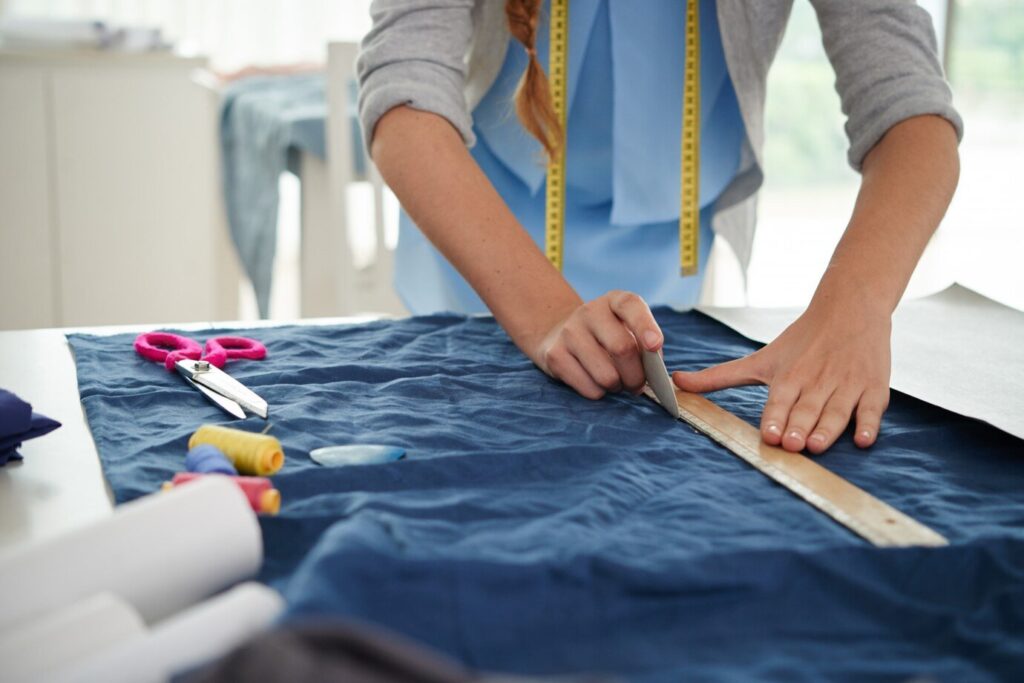
Home About Us Stitching Services Women’s Tailoring Bridal Wear Concept Stitching Kid’s Tailoring Courses Blogs Contact Us X How to Maintain Your Tailored Clothes for Long-Lasting Elegance Tailored clothing is an investment in both style and comfort. When you invest in a well-fitted, custom-made garment, it’s important to take the right steps to maintain its beauty and durability. Proper care and maintenance will ensure that your tailored clothes remain elegant and last for years. In this blog, we’ll provide tips and tricks on how to take care of your tailored garments and make sure they retain their charm for a long time. Table of Contents: 1. Why Proper Maintenance Matters? 2. General Tips for Caring for Tailored Clothes 3. How to Wash and Clean Your Tailored Clothes 4. Storage Tips for Tailored Garments 5. Handling Stains and Repairs 6. Conclusion 7. FAQ Why Proper Maintenance Matters Tailored garments are made from high-quality fabrics that deserve the proper care to retain their form and finish. The right maintenance helps preserve the fit, fabric integrity, and color, all of which contribute to your clothes’ long-lasting elegance. Neglecting maintenance can lead to fading, fabric wear, and misfitting over time. General Tips for Caring for Tailored Clothes Avoid Over-Washing Washing too frequently can break down the fabric and cause it to lose its shape. Spot clean when possible and wash only when necessary to prevent wear and tear. Use a Garment Bag For delicate tailored pieces, use a garment bag when laundering to protect the fabric from abrasion in the washing machine. Gentle Drying Avoid wringing out your tailored clothes, as this can distort the shape. Air-dry your garments or use the lowest heat setting if using a dryer. How to Wash and Clean Your Tailored Clothes Tailored clothes, especially those made of wool, silk, or linen, often require special washing techniques to avoid damage. Dry Cleaning for Delicate Fabrics For fabrics like wool, cashmere, and silk, dry cleaning is often the best option. This method preserves the fabric’s color, texture, and shape without subjecting it to the wear and tear of machine washing. Hand Washing for Robust Fabrics If your tailored piece allows for hand washing, use lukewarm water with a mild detergent. Be sure to gently agitate the fabric, and avoid scrubbing or twisting, which can cause damage. Stain Treatment Treat stains as soon as possible using a gentle stain remover. Test the product on a small, inconspicuous area first to ensure it doesn’t affect the fabric. Storage Tips for Tailored Garments Proper storage is essential for maintaining the fit and quality of your tailored clothes. Use Wooden Hangers Avoid using wire hangers, which can deform the shape of the garment. Wooden or padded hangers provide better support for tailored jackets, shirts, and trousers. Store in a Cool, Dry Place Tailored clothes should be stored in a cool, dry closet. Avoid areas with direct sunlight, as UV rays can cause fabrics to fade. Ensure proper ventilation to prevent mildew buildup. Fold or Hang With Care For trousers and skirts, hang them by the waistband. For suits or jackets, hang them by the shoulders. For delicate fabrics, use a fabric bag to protect them from dust. Handling Stains and Repairs Even with the best care, accidents happen. Here’s how to handle stains and small repairs: Stain Removal Treat stains promptly with the appropriate method for the fabric type. Use a fabric-safe stain remover, and if unsure, consult a professional cleaner to avoid damaging your garment. Minor Repairs Learn simple repair skills like fixing loose buttons, sewing up small tears, or re-seaming hems. If a repair seems too complicated, take it to a tailor to maintain the garment’s integrity. Professional Tailoring Services For more extensive repairs, such as resizing or re-stitching, visit a professional tailor to maintain the garment’s original fit and finish. Conclusion Maintaining your tailored clothes requires a bit of effort, but the rewards are worth it. By following the right cleaning, storage, and care practices, you can extend the life of your tailored garments and continue to enjoy their fit and elegance for many years. Whether it’s your favorite suit, dress, or custom shirt, giving your clothes the care they deserve will ensure they look sharp and remain in top condition. Frequently Asked Questions How often should I dry clean my tailored clothes? Only dry clean tailored garments when necessary. Over-dry cleaning can weaken fabric fibers, so aim to clean them a few times a year or as needed. Can I wash tailored clothes at home? Some tailored garments can be hand-washed, but many require dry cleaning. Always check the care label for fabric-specific instructions. How do I remove a stain from tailored clothing? Treat stains immediately with a fabric-safe stain remover. Always test on a small area before applying to the whole stain. Can I store tailored clothes in a closet? Yes, but ensure that your closet is cool, dry, and well-ventilated. Use wooden hangers and garment bags for delicate pieces. When should I visit a tailor for repairs? Visit a tailor for significant repairs or resizing to maintain the fit and finish of the garment. Simple fixes like buttons or hems can be done at home. With a decade of expertise in the industry, we specialize in providing customized designs tailored to our customers’ preferences. Our online booking platform allows clients to schedule a stitching appointment effortlessly. Quick Links Home About Us Courses Blogs Contact Us Services Women’s Tailoring Bridal Wear Concept Stitching Kid’s Tailoring Contact Us +91 90369 49222 info@aadiquipostyle.in No.334, BDA Link Road, Dwaraka Nagar, Channasandra, Rajarajeshwari Nagar, Bengaluru 560098 Follow Us Facebook Instagram Pinterest ©2025. All Rights Reserved
Stitching vs. Ready-Made: What’s Best for Your Style?

Home About Us Stitching Services Women’s Tailoring Bridal Wear Concept Stitching Kid’s Tailoring Courses Blogs Contact Us X Stitching vs. Ready-Made: What’s Best for Your Style? Choosing between stitched (custom-made) and ready-made clothing is a significant decision that can affect your style, comfort, and overall look. Both options come with their own set of advantages and disadvantages. This blog will delve into the pros and cons of stitched and ready-made clothing to help you determine which one is best suited for your personal style and needs. When it comes to building a wardrobe, the decision to go for stitched (custom-made) or ready-made (off-the-rack) clothing is one that many people struggle with. On one hand, stitched clothing offers the opportunity to get a truly unique fit, while ready-made options offer convenience and affordability. In this article, we will explore both options in detail to help you make an informed decision based on your preferences. Table of Contents: 1. What is Stitched Clothing? 2. What is Ready-Made Clothing? 3. Benefits of Stitched Clothing 4. Benefits of Ready-Made Clothing 5. Drawbacks of Stitched Clothing 6. Drawbacks of Ready-Made Clothing 7. Stitched vs. Ready-Made: Which One to Choose? 8. Conclusion 9. FAQ What is Stitched Clothing? Stitched clothing refers to garments that are custom-made or tailored specifically for an individual. These are made based on your exact measurements and can reflect your unique style. Whether you’re ordering a suit, a dress, or a pair of trousers, stitched clothing is tailored to provide the best possible fit and design according to your preferences. Advantages of Stitched Clothing Perfect Fit: Stitched clothing ensures that the garment is made to your exact measurements, providing the best fit possible. Customization: You can choose your fabric, design, and style, giving you a truly personalized garment. What is Ready-Made Clothing? Ready-made clothing, also known as off-the-rack clothing, refers to garments that are mass-produced and sold in standard sizes. These clothes are made in bulk by manufacturers and are available for immediate purchase at retail stores or online. They are designed to fit a range of body types, and while they offer convenience, they may not provide the perfect fit for everyone. Advantages of Ready-Made Clothing Affordability: Ready-made clothing is generally more affordable due to mass production. Variety: There is a vast selection of ready-made clothing available in different styles and sizes. Benefits of Stitched Clothing Perfect Fit: Stitched clothing is tailored to your exact measurements, ensuring a perfect fit. There are no compromises in the way the garment fits your body. Personalized Design: You can choose the fabric, color, style, and even add unique touches like embroidery or special stitching. Exclusive and Unique: Since the garment is made specifically for you, it is often one-of-a-kind, setting you apart from those wearing ready-made items. Why Stitched Clothing Is Ideal for Special Occasions? Tailored to Your Needs: For important events like weddings or parties, stitched clothing can be designed to make you stand out and fit flawlessly. Benefits of Ready-Made Clothing Affordability: Ready-made clothing is generally much more affordable than custom-made clothing because it is mass-produced. Convenience: Ready-made garments are easily available in stores or online. You can pick up an item and wear it immediately without having to wait. Variety: The variety of styles, designs, colors, and sizes available in ready-made clothing is vast, allowing you to find something that suits your taste easily. Ready-Made Clothing for Everyday Use Quick and Easy: Ready-made clothing is perfect for daily wear, offering a balance of comfort and style without the need for custom tailoring. Drawbacks of Stitched Clothing Cost: Stitched clothing tends to be more expensive compared to ready-made garments, especially when considering the tailoring and fabric costs. Time-Consuming: Unlike ready-made clothing, which you can buy immediately, stitched clothing requires time for the tailoring process. This can take several days or even weeks, depending on the complexity. Limited Availability: Stitched clothing often requires you to visit a tailor, which may not always be convenient, especially if you don’t have access to a skilled tailor nearby. When Stitched Clothing May Not Be the Best Option Limited Time: If you need something quickly, stitched clothing may not be suitable due to the waiting period. Drawbacks of Ready-Made Clothing Imperfect Fit: Since ready-made clothing is designed to fit standard sizes, it may not provide the perfect fit for everyone. You may need alterations to make it more comfortable. Lack of Personalization: Ready-made clothing lacks the personalized touch that comes with stitched garments. You have fewer choices in fabric, design, and style. Mass Production: As ready-made clothing is mass-produced, it can sometimes feel less exclusive or unique, as many other people might own the same garment. How to Improve the Fit of Ready-Made Clothing? Alterations: Many people opt to get their ready-made clothing altered by a tailor to ensure it fits better and suits their body shape. Stitched vs. Ready-Made: Which One to Choose? Criteria Stitched Clothing Ready-made Clothing Fit Tailored to your exact measurements, offering a perfect fit. Fits standard sizes; may require alterations for a better fit. Cost More expensive due to custom tailoring. More affordable due to mass production. Time Takes time for tailoring, could take days or weeks. Available immediately for purchase. Variety Limited to what the tailor can create. Wide range of styles and sizes available. Use Case Ideal for formal events or unique fits. Great for casual wear and quick use. Conclusion Both stitched and ready-made clothing have their own set of advantages and drawbacks. The key to choosing the right option for your style lies in understanding your priorities—whether it’s a perfect fit, unique design, cost-effectiveness, or convenience. Consider your lifestyle, budget, and fashion needs when making the decision, and you’ll find the option that best complements your personal style. Frequently Asked Questions What are the benefits of stitched clothing? Stitched clothing offers a perfect fit, personalized designs, and uniqueness, allowing for complete customization. Is ready-made clothing cheaper than stitched clothing? Yes, ready-made clothing is typically more affordable due